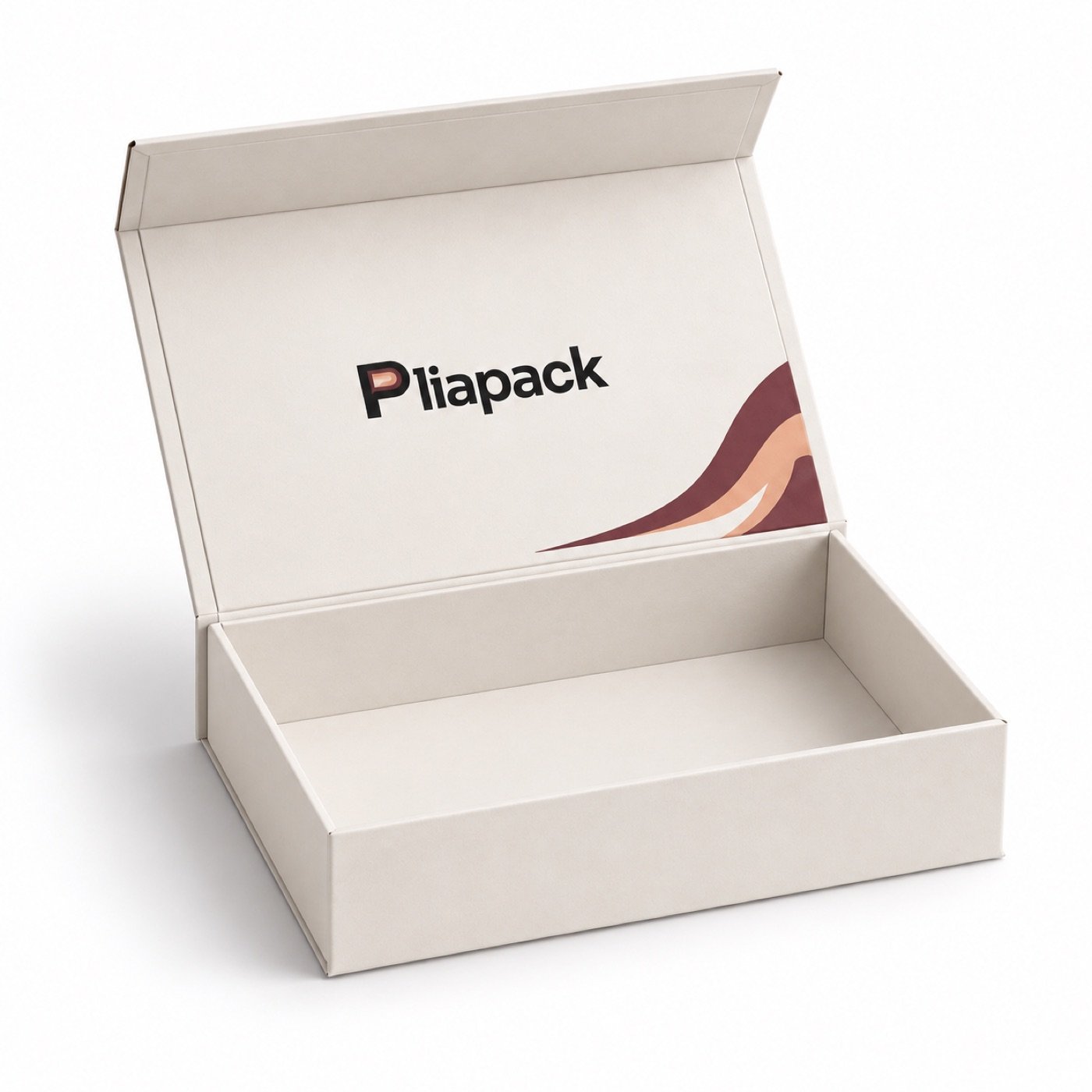
Magnetic boxes and lid and base boxes can both create a rigid presentation pack, but they organize the opening experience differently. Choose a magnetic hinged box when an attached lid and defined closing action support the brief. Choose a lid and base box when full top access, a removable lid and flexible lid-to-base proportions are more useful.
The decision should be made with the actual product and insert in mind. Lid movement, finger access, packing direction and the way the box will be handled can matter more than the appearance of an empty sample.
What changes between the two formats?
| Decision point | Magnetic hinged lid box | Lid and base box |
|---|---|---|
| Opening | Attached lid rotates on a hinge and closes through the front flap and concealed magnetic elements. | Separate lid lifts away from the base. |
| Lid relationship | Lid remains connected and must align with the base and closure area. | Lid fit, depth and base reveal control the relationship between two independent pieces. |
| Product access | Access depends on the lid angle, hinge and front edge around the insert. | Removing the lid normally leaves the full top of the base accessible. |
| Insert planning | Insert must leave clearance for hinge and closure movement. | Insert should provide removal access while staying below or within the chosen lid depth. |
| Packing | The attached lid and closing action are checked after the product and components are loaded. | Product is packed into the base before the separate lid is seated. |
| Sample priority | Hinge movement, magnetic meeting point, alignment and closing feel. | Lid-to-base fit, release, squareness and visible reveal. |
Opening behavior is the clearest difference
A magnetic hinged lid box guides the user through one connected opening movement. The inside lid can become part of the presentation, and the closure provides a clear end to the closing action. The hinge, flap and magnet placement therefore become functional parts of the structure.
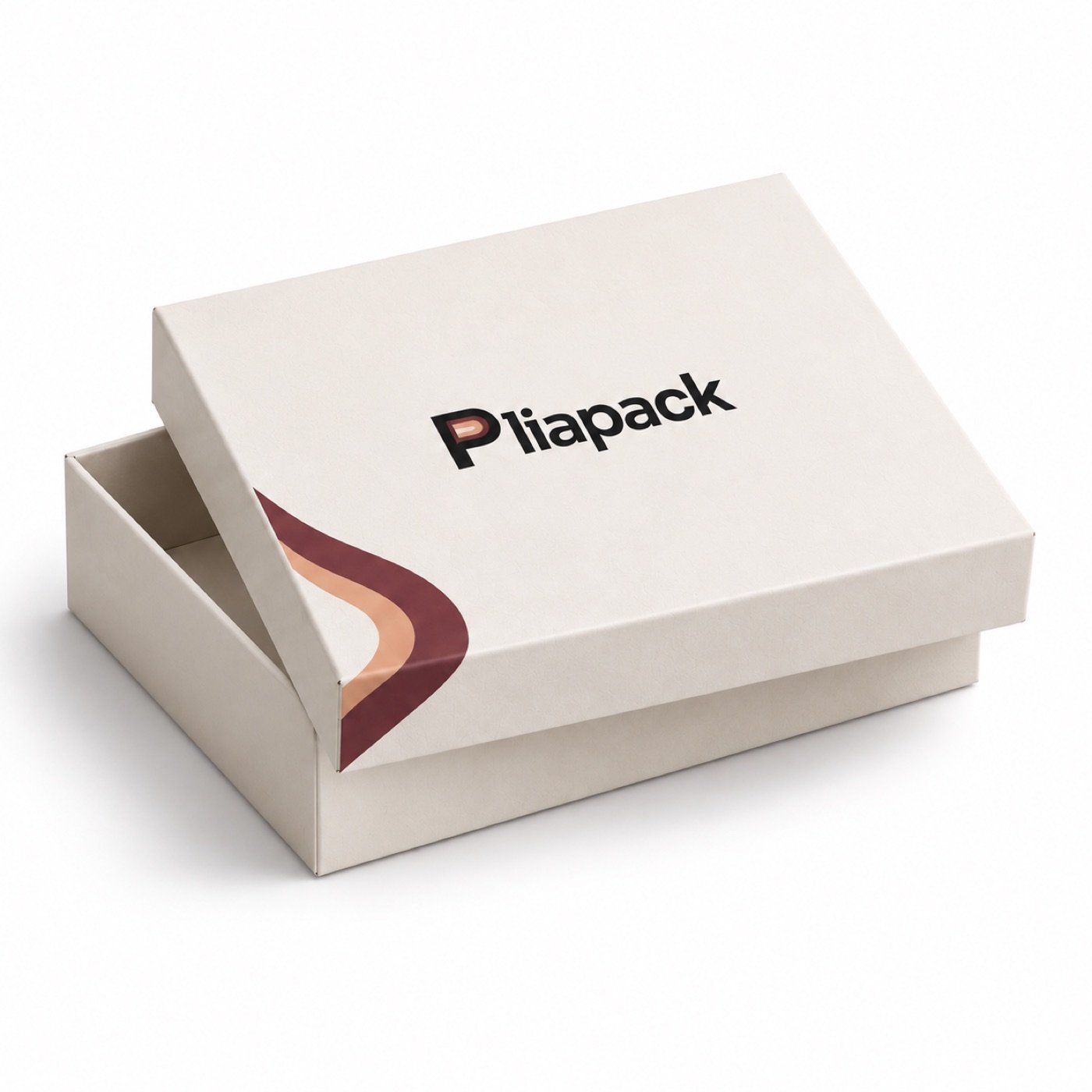
A lid and base box separates the opening into two pieces. The user grips and removes the lid, then approaches the product from above. This can make the full product arrangement easy to see, but lid depth and fit must allow comfortable removal.
Think about where the lid goes
An attached magnetic lid stays with the pack. That can support repeat opening and keep an inside-lid message visible, but the open lid needs physical space and should not pull against the insert or products.
A lift-off lid gives complete top access but must be placed somewhere while the contents are handled. For a compact counter, service ritual or multi-step unboxing, that separate piece may be either useful or inconvenient depending on the context.
Plan product access with the insert
Both structures can use a custom insert, but the available access changes. In a magnetic box, the hinge, lid angle and front closure can influence where fingers reach the product. In a lid and base box, the full opening may be clear once the lid is removed, but deep walls or a high insert can still make removal difficult.
Test the actual product, not only a visual placeholder. Check weight, pressure points, finger access, the direction in which the item is lifted and whether the insert stays seated when the product is removed.
Compare packing and assembly requirements
A conventional magnetic rigid box normally reaches pack-out with its lid and base connected. Packers need to load the insert, products and printed components without obstructing the hinge or closure. If the structure is collapsible, assembly becomes an additional project decision.
A lid and base box is packed into the base before the top is fitted. Teams should confirm the required orientation, whether the lid and base use matched or contrasting artwork, and how the two pieces are kept together through later handling.
When to choose which
| Choose a magnetic box when… | Choose a lid and base box when… |
|---|---|
| The attached lid and closing action are part of the intended experience. | Full top access and a clean lift-off reveal are more important. |
| An inside-lid message should remain connected to the product presentation. | The lid and base need different depths, colors or treatments. |
| The project can accommodate hinge and closure clearances around the insert. | A separate lid is practical for the intended use and packing process. |
| Sampling can focus on alignment, hinge movement and consistent closure. | Sampling can focus on fit, release, squareness and base reveal. |
Sample the interaction before approval
For either structure, review the packed sample through repeated opening, closing and product removal. Confirm artwork position on moving or meeting surfaces, examine wrapped edges and corners, and record the approved product, insert and artwork versions. A presentation sample does not by itself establish transport performance.
Discuss the structure around the real product
Send the product dimensions, weight, quantity estimate, preferred opening experience, insert requirements and artwork status. Contact Pliapack to compare the two structures against the complete pack rather than choosing from appearance alone.