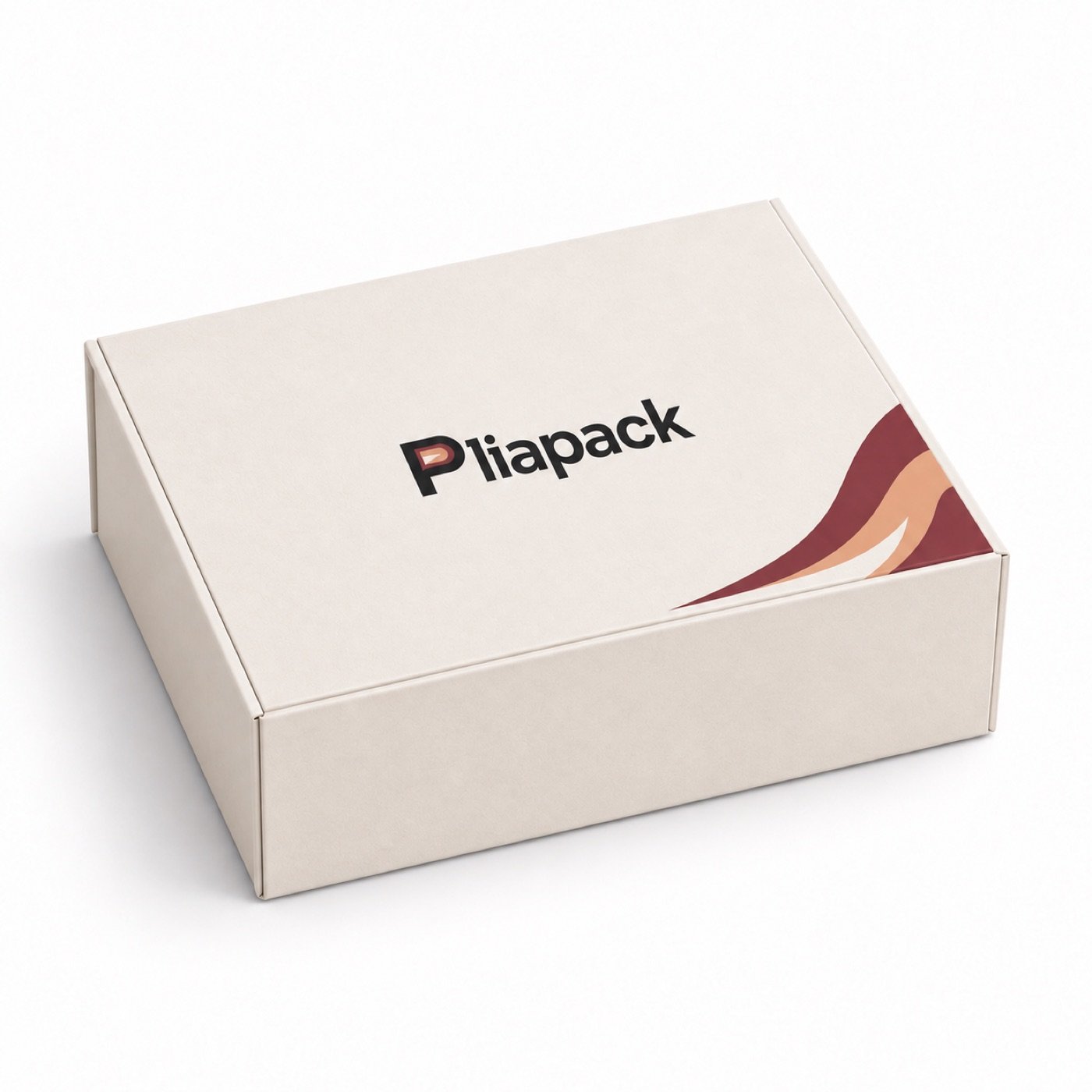
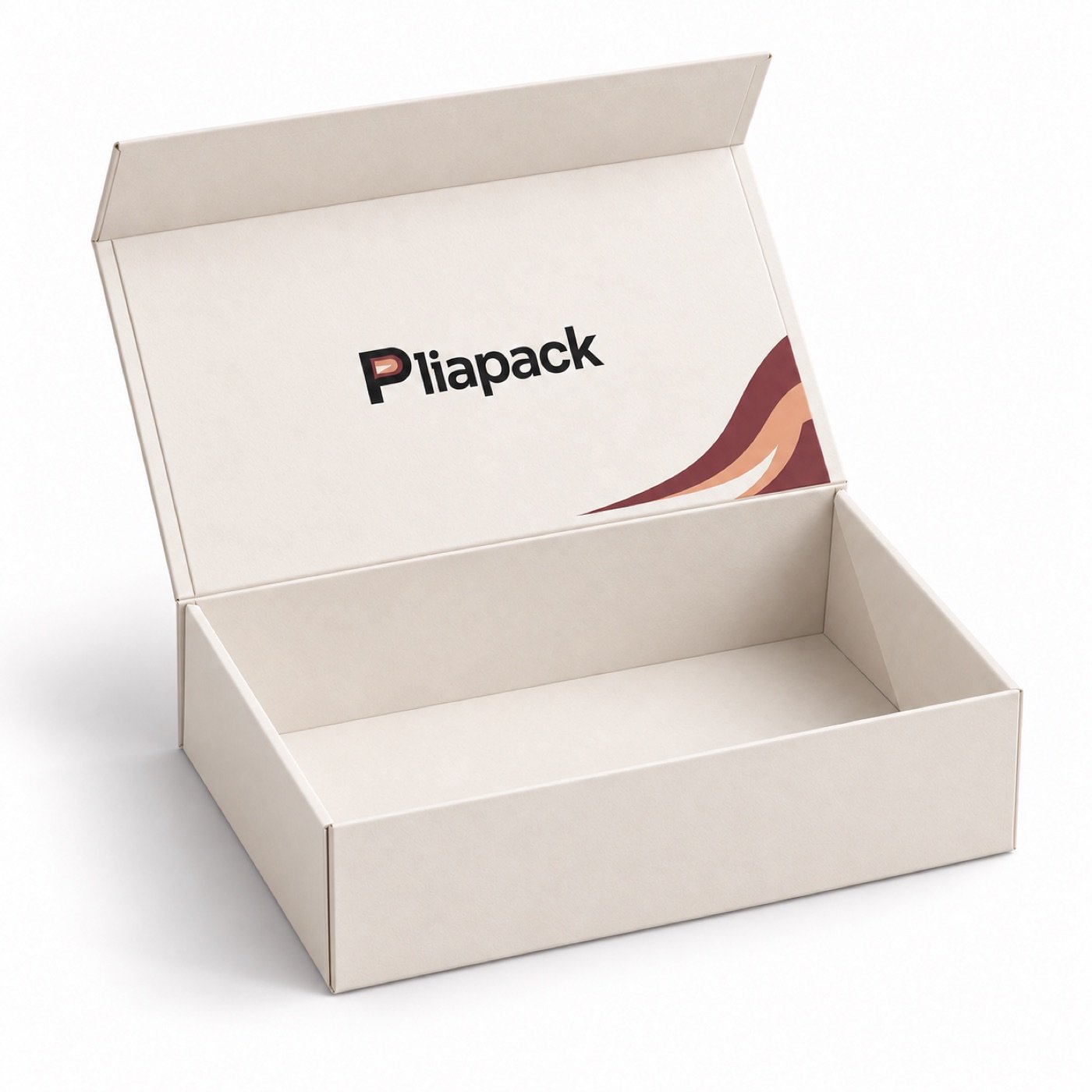
Description
Collapsible rigid boxes use wrapped rigid panels, engineered folds and corner-fixing details so the structure can be supplied flat and assembled into a presentation box. They can suit gifting, launches and retail sets when the assembly process can be planned as part of the project.
Where this structure works best
Choose this format when a rigid presentation appearance is required after assembly and the team can manage a defined folding and securing sequence. The flat state, assembly method, insert and finished shape all need to be developed together.
A collapsible structure does not automatically suit every product or logistics route. If a ready-assembled box and a fixed hinged opening are more important, compare a magnetic hinged lid box. Any transport or storage benefit should be evaluated against the approved size, construction, packing method and destination rather than assumed in advance.
Structure-specific customization and limits
- Fold lines and wrapped joints must move cleanly without lifting, cracking or forcing the panels out of position.
- Corner-fixing methods may use reviewed adhesive areas, magnetic elements or other construction details; the choice affects assembly steps and the final interior.
- The assembled box should hold its intended geometry at the walls, base and corners before the product is loaded.
- A custom insert must be coordinated with the flat pack, assembly sequence and final internal space. It should not prevent the walls or corners from seating correctly.
- Artwork crossing folds, joints or fixing areas needs allowances based on the sampled construction.
What to provide for development
- Product dimensions and weight, including the proposed insert and accessories.
- Estimated quantity and where assembly will take place: supplier, pack-out partner, warehouse or another location.
- Preferred opening and closure experience, plus any reference for the assembled appearance.
- Artwork status, materials and finish direction, especially around folds and corners.
- Packing sequence, destination and handling information that may affect the flat and assembled formats.
What to check in the sample
Assemble the sample using the people and sequence expected for pack-out. Check fold movement, corner engagement, wall alignment and whether the base sits flat. Confirm that the assembled box keeps its shape with the product and insert in place, and review how easily it can be reopened or reassembled if that is part of the intended use. Logistics performance requires its own review and should not be inferred from a presentation sample.
Plan the complete pack
Use packaging solutions to coordinate the insert and pack-out elements, and how we work to understand sampling and production development. Contact Us with the assembly context and known product information so the structural route can be reviewed.
All Pliapack-branded gallery images are AI-generated brand demonstrations, not manufactured samples or customer projects.
Reviews
There are no reviews yet.